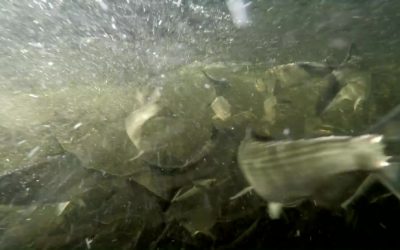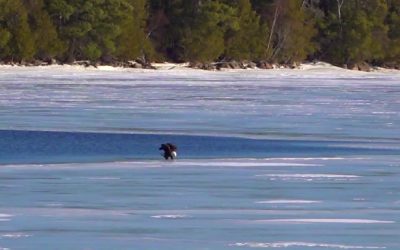
Water Ceremony against leachate pollution of Penobscot River

The Penobscot River is being polluted by the state owned, privately run Juniper Ridge Landfill. Landfill leachate is a waste by product created when rainwater filters down through layers of solid waste in a landfill, collecting a toxic cocktail of chemicals along the way. The leachate is then trucked to the Nine Dragon’s Paper mill wastewater treatment plant in Old Town, “processed” and dumped in the Penobscot River.

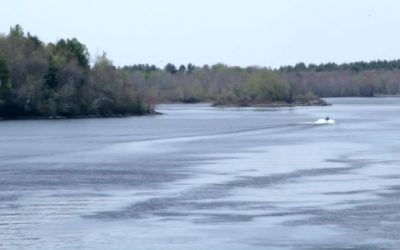
Penobscot – A Fight for Ancestral Waters

This short film highlights the alarming territorial theft attempt faced today by the Penobscot Indian Nation. In December of 2015, a U.S. District Court Judge decided on the highly controversial and historic case, Penobscot Nation v Janet Mills, Attorney General for the State of Maine. The Judge re-affirmed the Tribe's treaty-reserved sustance fishing rights, but ruled in favor of the State of Maine’s opinion that the water of the Penobscot River, which flows through Penobscot Nation Tribal territory surrounding their reservation’s 200 islands, is NOT part of the Penobscot Nation. This directly contradicts previous treaty agreements, and threatens the Tribe’s deep ancestral and cultural ties to the river. Today, the Penobscot people and their allies forge ahead to protect continued Tribal stewardship of the River.

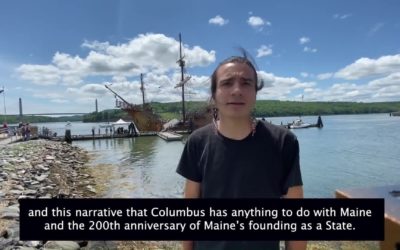
Lokotah Sanborn Speaks about Columbus ship replica

Juniper Ridge Landfill Megadump

The Maine Board Of Environmental Protection (BEP) is currently considering changes to Maine's waste policy that would change the definition of Maine generated waste in order to control the disposal of out-of-state waste in Maine’s publicly-owned landfills, and require the consideration of environmental justice and equal protection when expanding or siting waste facilities in Maine.

THE PENOBSCOT – Ancestral River – Contested Territory

THE PENOBSCOT: Ancestral River, Contested Territory traverses the landscape of deal-making and deal-breaking that has largely defined tribal-state relations in Maine. From the 1700's to the present-day, the film emphasizes the Penobscot people’s centuries-long tradition of environmental stewardship, and outlines the current legal battle, PENOBSCOT NATION v. MILLS, which is a move to preserve Penobscot territory and maintain the inherent, treaty-reserved sustenance fishing rights of the Penobscot people in the Penobscot River. It tells the urgent story of an enduring struggle for justice and cultural survival in the face of an astonishingly open abuse of state power.